
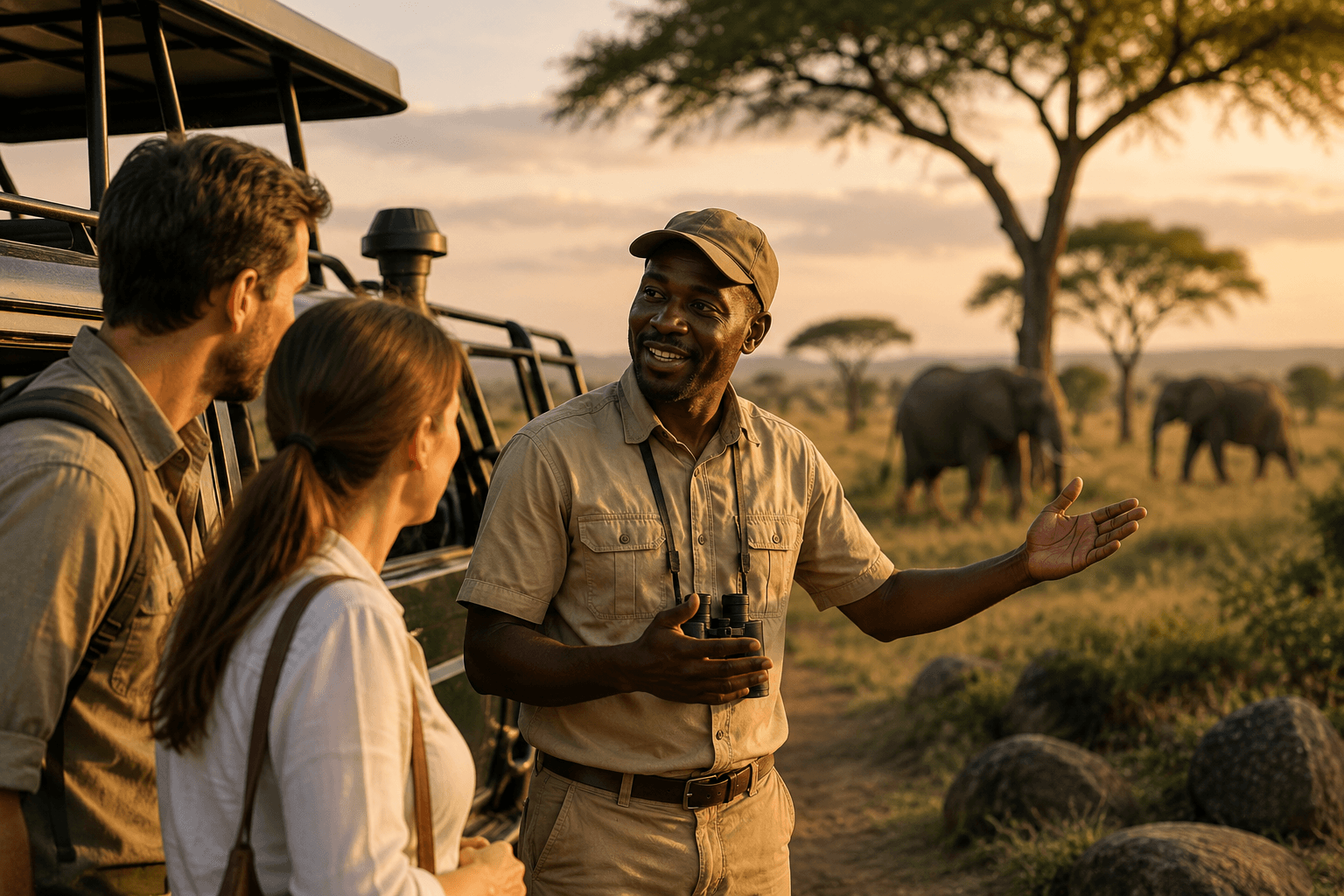
For a safari operator, trust is one of the most important factors influencing a traveller's decision. A safari is not an everyday purchase. Travellers may be investing significant money, planning months in advance, and trusting a company to deliver an experience in an unfamiliar destination.
Before making an enquiry, many potential travellers will visit the company's website. They look at the destinations, experiences, photographs, reviews, team information, itineraries, and contact details while forming an opinion about the business.
The question they are asking is simple: Can I trust this safari operator?
A safari company may have years of experience, excellent guides, beautiful destinations, and satisfied customers. But if those strengths are not communicated effectively online, potential travellers may never discover them.
This is why a safari website should be more than an online brochure. It should act as a credibility platform that helps visitors understand the business, visualise the experience, recognise the expertise behind it, and feel confident enough to start a conversation.
If your safari business already has strong experience and a good reputation but your website does not communicate those strengths clearly, the problem may not be your business. It may be the way your business is presented online. A strategic website redesign can help turn existing credibility into stronger digital confidence and better enquiries.
Trust Begins Before the Safari Is Booked
For many travellers, the first interaction with a safari operator happens online long before they speak to anyone.
Travellers often compare several safari companies before deciding who to contact. They may visit multiple websites, compare destinations, look at photographs, read reviews, and try to understand what makes one operator different from another.
This means Your website is already participating in the sales conversation before a member of your team receives an enquiry.
The traveller is silently asking questions such as whether the company is legitimate, whether the operator understands the destination, whether the experience looks authentic, and whether the business appears professional enough to trust.
If the website answers these questions clearly, confidence begins to develop. If the website creates uncertainty, the traveller may simply move on to another safari operator.
This is why the first impression created by your website matters. A potential traveller may never contact your team if the website does not give them enough reasons to continue.
- ✓Does this company appear legitimate?
- ✓Do they have genuine safari experience?
- ✓Do they understand the destinations they sell?
- ✓Can I trust them with my money?
- ✓Will the actual experience match what is shown online?
- ✓Have other travellers trusted this operator?
- ✓Can I easily understand what happens next?
Online trust is not created at the enquiry stage. It starts from the moment a traveller first encounters your digital presence.
Clear Positioning Helps Travellers Understand Your Safari Business
Safari operators often offer many destinations and experiences, but trying to communicate everything at once can make the business difficult to understand.
A visitor should quickly understand what type of safari company they are looking at and what makes the operator relevant to their needs.
For example, an operator specialising in luxury private safaris should communicate that clearly. A company focused on photographic safaris should make its specialist experience visible. The same applies to family safaris, migration-focused trips, adventure safaris, or tailor-made wildlife journeys.
Generic statements such as unforgettable African adventures may sound attractive, but they do not provide enough context.
Strong positioning gives visitors a reason to believe they have found the right specialist.
Clear positioning is especially important when visitors are comparing several operators. Your website should help them understand within seconds whether your business is the right fit for the type of safari they want.
- ✓What type of safari experiences you provide
- ✓Which destinations you specialise in
- ✓Who your ideal travellers are
- ✓What makes your safari experience different
- ✓Why travellers should consider your company
Example
Common Approach: Creating unforgettable African adventures.
- ✓Private luxury safaris across Tanzania
- ✓Photography-focused wildlife safaris in East Africa
- ✓Tailor-made Kenya and Tanzania safari experiences
- ✓Expert-guided wildlife journeys for first-time safari travellers
Clear positioning reduces confusion and helps visitors quickly recognise whether your safari company matches what they are looking for.
Authentic Storytelling Makes the Safari Experience More Believable
Safari is an emotional travel experience. People are not simply purchasing accommodation and transportation. They are imagining wildlife encounters, landscapes, guides, camps, sunrise drives, and memories they will take home.
Because the purchase is emotional, storytelling plays an important role in building confidence.
A website that only lists destinations and packages can feel transactional. A website that explains the experience can help travellers understand what makes the journey meaningful.
Talk about the moments travellers can expect, the places they will visit, the type of wildlife they may encounter, and the knowledge your guides bring to the experience.
Authentic storytelling should not promise things that cannot be guaranteed. Instead, it should help visitors understand the character of the experience and the expertise behind it.
The goal is not to create exaggerated marketing language. It is to help potential travellers imagine the real experience while understanding the people and knowledge behind it.
- ✓Tell the story of the destination
- ✓Explain what makes the safari experience special
- ✓Introduce the people behind the experience
- ✓Share real traveller experiences
- ✓Use genuine stories rather than generic marketing language
Focus Your Storytelling On
The strongest safari websites help visitors imagine the experience while also showing the real people and expertise behind it.
- ✓Wildlife and destination experiences
- ✓Guide knowledge
- ✓Local perspective
- ✓Traveller stories
- ✓Unique safari moments
Professional Photography Builds Perceived Credibility
Photography is one of the most powerful elements on a safari website because travellers often use images to judge the quality and authenticity of the experience.
High-quality photography can immediately communicate the landscape, wildlife, accommodation, vehicles, guides, and overall character of a safari.
However, simply using beautiful wildlife photographs is not enough. Visitors also want to understand what the actual safari experience looks like.
Showing real camps, vehicles, guides, travellers, landscapes, and safari moments can make the experience feel more tangible.
Stock imagery or photographs that appear unrelated to the actual business can have the opposite effect and may create doubt.
Your website does not need to use photography simply because it looks impressive. Every important image should help visitors understand something about your business or the experience you provide.
- ✓Use genuine photographs from your safari experiences
- ✓Show guides and the people behind the business
- ✓Include accommodation and safari vehicles
- ✓Show the destinations you actually operate in
- ✓Use consistent, high-quality imagery throughout the website
Your Images Should Help Visitors Understand
Good safari photography should create emotion while also reinforcing authenticity.
- ✓Where the traveller will go
- ✓What the traveller may experience
- ✓Who will guide them
- ✓Where they may stay
- ✓What makes your safari different
Showcasing Experience and Local Expertise Builds Confidence
Safari travellers are often looking for more than a company that can arrange a trip. They want knowledgeable people who understand the destination.
Local expertise can be one of the strongest competitive advantages for a safari operator, but it needs to be visible online.
If your team has years of experience, specialist knowledge, professional guides, destination expertise, or strong relationships with camps and local partners, your website should communicate those strengths.
A potential traveller cannot automatically see your experience from behind a screen. Your website needs to make that experience visible.
This can be done through team profiles, company history, guide information, destination expertise, stories, and useful travel advice.
When these details are presented clearly, the website starts to demonstrate the depth of knowledge that exists behind the safari experience.
- ✓Years of safari experience
- ✓Destination knowledge
- ✓Experienced guides
- ✓Specialist safari expertise
- ✓Local relationships and partnerships
- ✓Knowledge of wildlife and travel conditions
Expertise becomes a trust signal when visitors can clearly understand the knowledge and experience behind the safari company.
Trust Signals Help Remove Traveller Uncertainty
Trust is rarely created by a single element. It develops when multiple credibility signals work together throughout the website.
A traveller may be interested in a safari but still have concerns about whether the company is genuine, experienced, reliable, and capable of delivering the promised experience.
Relevant trust signals help answer these concerns before the visitor has to ask.
The most effective trust signals are authentic and specific. They should demonstrate real experience rather than simply making claims about being the best.
The important point is consistency. Reviews, team information, certifications, company details, photography, and content should all tell the same story about the quality and credibility of the business.
Customer Reviews and Testimonials
Previous traveller experiences provide powerful social proof for potential customers.
- ✓Authentic customer testimonials
- ✓Traveller reviews
- ✓Safari stories
- ✓Real customer experiences
Reviews show potential travellers that other people have trusted the company and experienced its services.
Guide and Team Information
Introducing the people behind the safari can make the company feel more genuine and approachable.
- ✓Guide profiles
- ✓Team experience
- ✓Local knowledge
- ✓Professional background
People often trust businesses more when they can see the real people responsible for delivering the experience.
Industry Memberships and Certifications
Relevant professional memberships, certifications, and partnerships can provide additional reassurance.
- ✓Industry memberships
- ✓Professional certifications
- ✓Tourism partnerships
- ✓Relevant associations
Relevant credentials can reinforce the perception that the business operates professionally.
Clear Business Information
Visitors should be able to understand who operates the business and how they can contact them.
- ✓Business information
- ✓Clear contact details
- ✓Company location
- ✓Professional communication channels
Transparency helps reduce doubts about the legitimacy of the safari operator.
Detailed Safari Itineraries Make the Experience Easier to Understand
A safari itinerary should do more than list destinations and overnight stays. It should help potential travellers understand what the journey will actually feel like.
Many safari websites provide basic itinerary information but leave important questions unanswered.
Travellers want to know what happens each day, where they will go, what experiences they may have, what type of accommodation is involved, and what makes the itinerary worth choosing.
The purpose is not to overwhelm visitors with information. It is to give them enough clarity to understand the experience and feel comfortable asking for more details.
A well-presented itinerary can also demonstrate the operator's destination knowledge and attention to detail.
When itinerary information is clear, potential travellers can spend less time trying to understand how the safari works and more time imagining themselves on the journey.
- ✓Daily itinerary structure
- ✓Destinations and locations
- ✓Expected safari activities
- ✓Accommodation information
- ✓Travel and transfer details
- ✓Experience highlights
- ✓Important inclusions and exclusions
A Strong Safari Itinerary Should Help Visitors Understand
The traveller should be able to imagine the journey without feeling overwhelmed by unnecessary information.
- ✓Where they will be
- ✓What they may experience
- ✓How the journey flows
- ✓What is included
- ✓Why the itinerary is worth considering
Your About Page Can Become a Powerful Trust Builder
The About page is often treated as a secondary page, but for a trust-based travel business it can be one of the most important parts of the website.
Travellers want to know who they are trusting with their journey. A generic About page filled with broad statements about passion and excellence does little to answer that question.
A stronger About page explains the company's story, experience, people, destination knowledge, values, and approach to creating safari experiences.
If the business was created by people with a strong connection to the destination, explain that. If the company has years of experience, show that. If guides and local teams are central to the experience, introduce them.
The goal is to make the business feel real, experienced, and trustworthy.
The About page should not simply be a biography of the company. It should help a potential traveller understand why the people behind the business are qualified to plan and deliver their journey.
- ✓Explain how the company started
- ✓Introduce the team
- ✓Show relevant experience
- ✓Explain destination expertise
- ✓Share the company's approach to safari
- ✓Use real photographs of the people behind the business
A strong About page gives travellers a reason to trust the people behind the safari before they ever speak to them.
A Strong Mobile Experience Is Essential
Travellers increasingly discover and research safari companies through mobile devices. A website that looks professional on desktop but performs poorly on mobile can quickly lose credibility.
Slow-loading pages, difficult navigation, unreadable text, poorly cropped images, and complicated enquiry forms can make even an experienced safari operator appear less professional.
Visitors should be able to browse destinations, explore safari experiences, read reviews, and contact the company without struggling with the interface.
Mobile usability is not only a technical consideration. It is part of the overall trust experience.
A potential traveller may be researching your company while travelling, during a lunch break, or from a mobile device late at night. If the website makes that process difficult, you may lose an enquiry before the visitor has had a chance to understand your business.
A Professional Safari Website Should Provide
Every important part of the safari discovery journey should remain simple and accessible on smaller screens.
- ✓Fast loading pages
- ✓Readable content
- ✓Easy navigation
- ✓Mobile-friendly photography
- ✓Simple enquiry actions
- ✓Clear calls-to-action
Common Mobile Experience Problems
- ✓Slow page loading
- ✓Poor image display
- ✓Small or difficult-to-read text
- ✓Complicated navigation
- ✓Long enquiry forms
- ✓Buttons that are difficult to tap
- ✓Important information hidden too deeply
Make the Journey From Interest to Enquiry Simple
A traveller may trust your company and like your safari experiences but still leave if the next step is unclear.
Many safari websites rely on generic Contact Us buttons without explaining what happens after the visitor clicks.
For a high-consideration purchase such as a safari, visitors often want to ask questions, discuss dates, customise an itinerary, or understand which experience is right for them.
The website should make that conversation feel easy and natural.
A clear call-to-action can guide visitors towards the next step without creating unnecessary pressure.
The purpose of a safari website is not always to make visitors book immediately. Often, the most valuable conversion is simply starting a meaningful conversation.
The CTA should match the traveller's level of intent. Someone who is still exploring may respond better to planning or consultation language than a strong immediate booking message.
The purpose of a safari website is not always to make visitors book immediately. Often, the most valuable conversion is simply starting a meaningful conversation.
When Your Safari Website May Need a Redesign
A website redesign is worth considering when your digital presence no longer reflects the quality of the experience you provide.
An outdated or unclear website can create uncertainty even when the business behind it is highly capable. Your safari operation may have experienced guides, excellent destinations, strong customer reviews, and years of knowledge, but visitors may not see those strengths if the website is difficult to navigate or poorly presented.
A redesign should not be about changing the website simply because it looks old. It should be about improving how effectively the website communicates your business, builds confidence, and guides potential travellers towards an enquiry.
If your website was created several years ago, has grown without a clear structure, does not work well on mobile, uses outdated visuals, or makes important information difficult to find, it may be time to review whether the website still represents your business accurately.
The goal is not to make every safari website look the same. Your website should reflect your specific destination expertise, safari style, brand personality, and the type of traveller you want to attract.
A Redesign Should Improve More Than Appearance
A strategic safari website redesign should make your business easier to understand, make credibility easier to recognise, and make the path from interest to enquiry easier to follow.
- ✓Clearer positioning
- ✓Stronger visual storytelling
- ✓Better presentation of guides and expertise
- ✓More effective trust signals
- ✓Improved mobile experience
- ✓Simpler navigation
- ✓Better enquiry journeys
- ✓Stronger calls-to-action
If several of these problems sound familiar, the issue may not be your safari business. It may be the way your business is being presented online.
Building a Safari Website That Creates Confidence
A trustworthy safari website brings together multiple elements that work together to communicate credibility before the first conversation.
The strongest safari websites are not designed simply to look attractive. They are designed to answer questions, reduce uncertainty, demonstrate expertise, and help visitors feel confident about taking the next step.
For safari operators, this is particularly important because travellers are often making a significant financial and emotional commitment. They need to believe that the company understands their expectations and can deliver the experience they are looking for.
Your website should therefore communicate the qualities that already exist within your business: experience, destination knowledge, professionalism, authenticity, service, and care.
A website redesign should not simply change the colours, layout, or visual style. It should improve how clearly your business communicates credibility and how confidently a potential traveller can take the next step.
At ClickIconic, we focus on helping trust-based service businesses build professional digital experiences that communicate credibility before the first conversation.
For safari operators, this means creating a digital experience that does more than display beautiful destinations. It should help potential travellers understand the business, recognise the expertise behind it, trust the people delivering the experience, and feel confident enough to start a conversation.
If your existing website does not communicate these strengths effectively, a redesign should not simply make it look newer. It should make the business easier to understand, make credibility easier to recognise, and make the path from interest to enquiry easier to follow.
- ✓Clear safari positioning
- ✓Professional visual presentation
- ✓Authentic photography
- ✓Experience-led storytelling
- ✓Visible expertise
- ✓Customer reviews
- ✓Detailed safari itineraries
- ✓Strong About page
- ✓Simple navigation
- ✓Mobile-friendly experience
- ✓Clear calls-to-action
If you are considering a safari website redesign, start by identifying where your current website creates uncertainty or hides the strengths of your business.
You can learn more about our approach to building stronger digital experiences here: /approach
Safari Website Trust Checklist
Does Your Safari Website Build Confidence?
- ✓Visitors immediately understand what type of safari operator you are
- ✓Your main safari destinations are clearly communicated
- ✓Your specialist experience is easy to understand
- ✓Professional and authentic photography represents your safaris
- ✓Your guides or team members are introduced
- ✓Customer reviews and testimonials are visible
- ✓Relevant certifications or partnerships are displayed
- ✓Your company story creates credibility
- ✓Safari itineraries provide enough useful detail
- ✓Accommodation and experience information is clear
- ✓Contact information is easy to find
- ✓The enquiry process is simple
- ✓The website works well on mobile devices
- ✓Clear calls-to-action guide visitors towards the next step
- ✓Your website accurately reflects the current quality and positioning of your business
When Should You Consider a Redesign?
- ✓Your website looks outdated compared with your actual safari experience
- ✓Your strongest trust signals are difficult to find
- ✓Your website does not clearly communicate your specialist expertise
- ✓The mobile experience feels slow or difficult to use
- ✓Visitors need to search too hard for important information
- ✓Your website generates traffic but very few meaningful enquiries
- ✓Your business has changed but the website has not kept up
- ✓The website looks good but does not clearly guide visitors towards an enquiry
Frequently Asked Questions
Key Takeaways
- ✓Safari travellers need to trust the operator before they commit to the experience.
- ✓Your website is often the first conversation between your safari business and a potential traveller.
- ✓Clear positioning helps visitors understand why your safari company is relevant to them.
- ✓Authentic photography and storytelling make the safari experience more believable.
- ✓Showing your team, guides, experience, and destination knowledge strengthens credibility.
- ✓Reviews and relevant trust signals reduce uncertainty.
- ✓Detailed itineraries help travellers understand what they are considering.
- ✓A professional mobile experience is an important part of online trust.
- ✓Clear calls-to-action make it easier for interested travellers to start a conversation.
- ✓If your website hides your strengths or no longer represents your business accurately, a strategic redesign can improve the digital experience.
- ✓The strongest safari websites communicate credibility before the first conversation.
Does Your Safari Website Create Enough Trust?
Your safari business may already have the experience, expertise, destinations, guides, and customer trust travellers are looking for. ClickIconic can help turn those strengths into a professional digital presence that communicates credibility and makes it easier for potential travellers to take the next step.
Discuss Your Safari Website